usdt → xmr Open converter

No account, no upload, no custody

USDT to XMR, and the network question first

Tether lives on several chains at once and those chains can't see each other. Get that one choice right and everything after it is ordinary plumbing.

1 USDT = 0.00169891 XMR 1 USDT ≈ $0.9998

Swap USDT for XMR

Market rate, refreshed on load. The chain you pick changes the ticker you're sent to, never the price.

2 minMonero's target time between blocks
10 blocksA fresh output waits about twenty minutes before you can spend it
3 chainsTRC-20, ERC-20 and Solana sit in the picker above
A Tether coin and a Monero coin lying side by side under soft daylight
Two tokens, two completely different ideas about what a ledger should show.

One ticker, many networks

Tether is a single name stamped on copies that live on different chains. The copies aren't interchangeable, and your wallet rarely shouts about it.

TRC-20

TRON · usdttrc20
  • Addresses are 34 base58 characters and begin with T
  • Blocks come round roughly every three seconds
  • Fees are paid out of bandwidth and energy rather than a balance
  • Freeze some TRX and you get those resources instead of paying each time

ERC-20

Ethereum · usdterc20
  • Addresses are 0x followed by 40 hex characters
  • That's the same format ETH itself uses, which trips people up
  • Fees are gas, counted in gwei, and they move with demand
  • Sending an ERC-20 token where plain ETH is expected is a classic loss

Solana

SPL · usdtsol
  • Addresses are base58, 32 to 44 characters, with no prefix to recognise
  • Slots tick over about every 400 milliseconds
  • SPL tokens sit in their own token account tied to your main address
  • Fees here are very low

Beyond those three, Tether is also issued on Ton, Avalanche, Polygon and a handful of others. Same three letters in every wallet. Same price on every chart. Separate balances that have no way of reaching one another.

Send on a chain the receiving side doesn't support and the tokens go to an address nobody is watching. That single mismatch is the main reason people lose USDT — more than hacks, more than bad rates. A dropdown left on the wrong option.

So here's the position this page is built on. Choose the chain once, at the very beginning, before you think about amounts or addresses. Then check it a second time on the confirmation screen, where the deposit address is already staring at you. Two looks, maybe thirty seconds, and the expensive mistake stops being available to you.

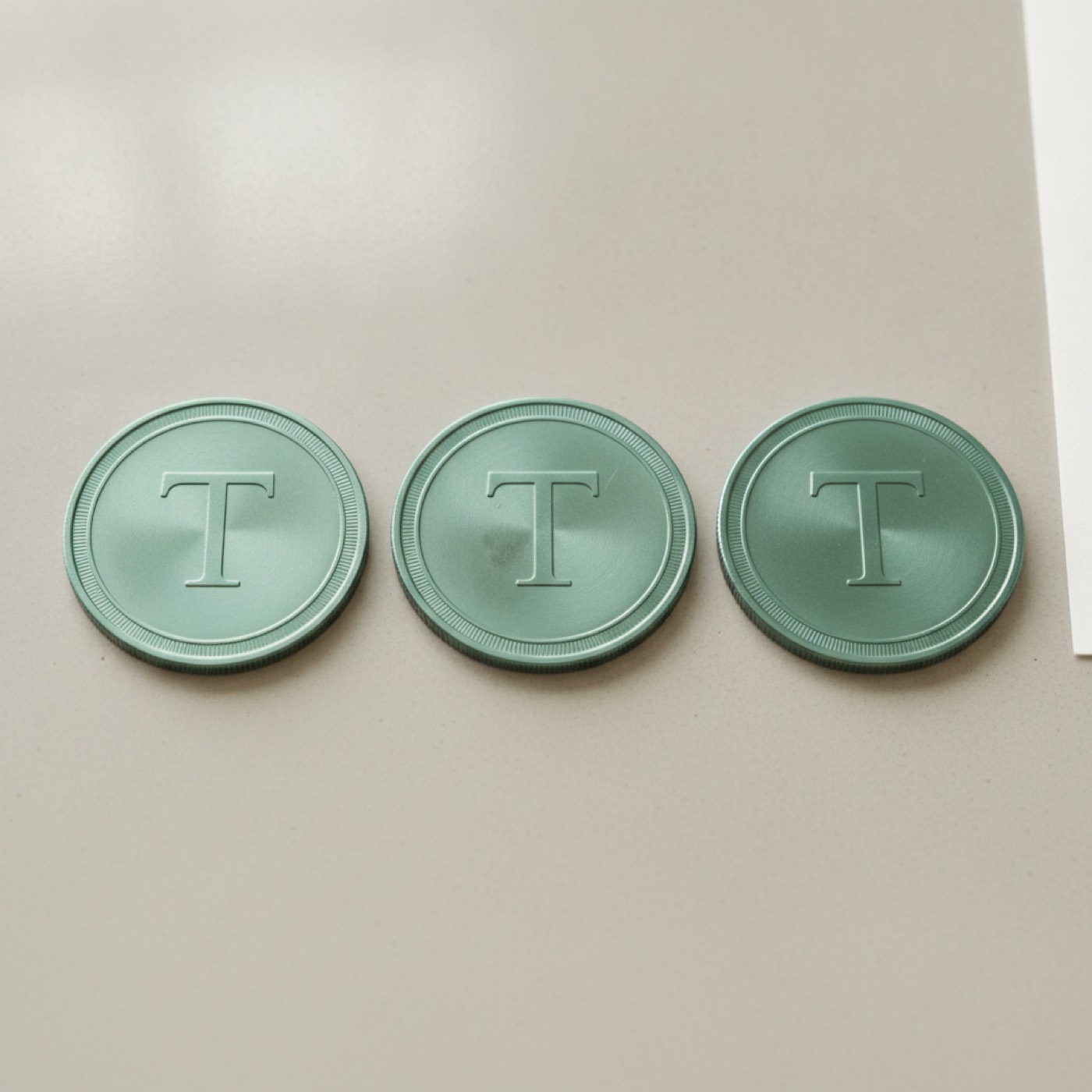
Three identical Tether coins standing in a row on a light background
Three identical coins, three separate chains. That's the whole reason the picker exists.

Pick the wrong chain and there is no undo button anywhere.

An on-chain transfer is final. Nobody reverses it, nobody reissues it, and no support queue can pull it back from the other end. This is the step to slow down on.

How to swap USDT to XMR

Five steps, and only the first one can really cost you something.

  1. Find out which chain your Tether is actually on

    Open your wallet and read the USDT entry itself, not the ticker in the list. Decent wallets print the chain right beside the balance: TRON, Ethereum, Solana. If yours stays quiet about it, ask for a deposit address and read that instead — a T at the front means TRON, 0x means an Ethereum-style chain, and a bare base58 string points at Solana. Set the same chain in the picker above before you do anything else.

  2. Set the amount and the direction

    Type what you plan to send. The figure on the right redraws as you type using the current market rate, so treat it as a sighting shot rather than a promise. Leave USDT on the left and XMR on the right to swap usdt to xmr, or press the arrow button to turn the pair around.

  3. Decide between a fixed and a floating rate

    A fixed rate pins the number the moment you confirm, and you pay for that certainty. A floating rate keeps recalculating while your deposit confirms, so the final figure can drift either way. For a modest amount, take either. For a large one during a noisy hour, fixed is the calmer pick.

  4. Paste the receiving address from your Monero wallet

    Copy it straight out of the wallet and paste it in. Don't retype it by hand, and don't trust a clipboard blindly — compare the first and last few characters against what the wallet is showing you. Clipboard hijackers are real and they are patient.

  5. Send the Tether and let it land

    You'll get a deposit address on the chain you selected. Send from your wallet on that exact chain, then step away from the page. The deposit picks up confirmations, the conversion runs, and the XMR goes out to the address you gave.

How to not pick the wrong network

Three habits catch nearly every version of this mistake while it's still fixable.

The shape of the address is the cheapest clue you'll ever get. TRON addresses open with T. Ethereum addresses open with 0x. Solana addresses are plain base58 with nothing to announce them. If the deposit address in front of you doesn't match the chain you selected, stop — something is already out of step, and sending will not fix it.

A matching shape still isn't proof, though, and this is exactly where careful people get caught. One 0x address works on every EVM chain there is. The characters look the same whether you're on Ethereum, Polygon or Avalanche, and the wallet will happily show you the same string for all of them. What decides where the money ends up isn't the address at all. It's the chain you press send on. The coins stay on whichever chain carried them.

The ticker tells you nothing. USDT sitting in your wallet on TRON and USDT expected in a deposit field on Ethereum are three identical letters describing two balances with no route between them. Read the chain label. Every time, including the time you're sure.

T…TRON. Fees come out of bandwidth and energy.
0x…Ethereum and every other EVM chain. Fees are gas.
base58Solana. The token lives in its own account under your address.
USDTA name, not a destination. It says nothing about the chain.

What happens on the Monero side

The receiving half behaves differently from anything you're used to on Tether's chains.

Monero keeps its privacy in the protocol rather than in a setting you switch on. Ring signatures, stealth addresses and RingCT work together so that the amount and the recipient simply aren't readable from the chain. There's no public trail to opt out of, because there was never a public trail.

One practical consequence catches people out constantly: you can't look up a Monero address in a block explorer and see a balance. The explorer has nothing to show you. Your wallet is the only thing that knows what you hold, which makes your seed phrase the whole story.

Blocks aim for two minutes apart, and block size adjusts to demand instead of sitting at a fixed ceiling. Proof of work is RandomX, designed around ordinary processors. Once your payout lands, every output you receive is locked for ten blocks — about twenty minutes — before it's spendable. That's a protocol rule, not a policy, and nothing you pay or click will shorten it. Worth knowing if you were planning to move the XMR onward straight away.

The other thing worth saying plainly: several large trading venues have dropped XMR from their listings over the past few years. That's a big part of why people reach for a swap tool at all.

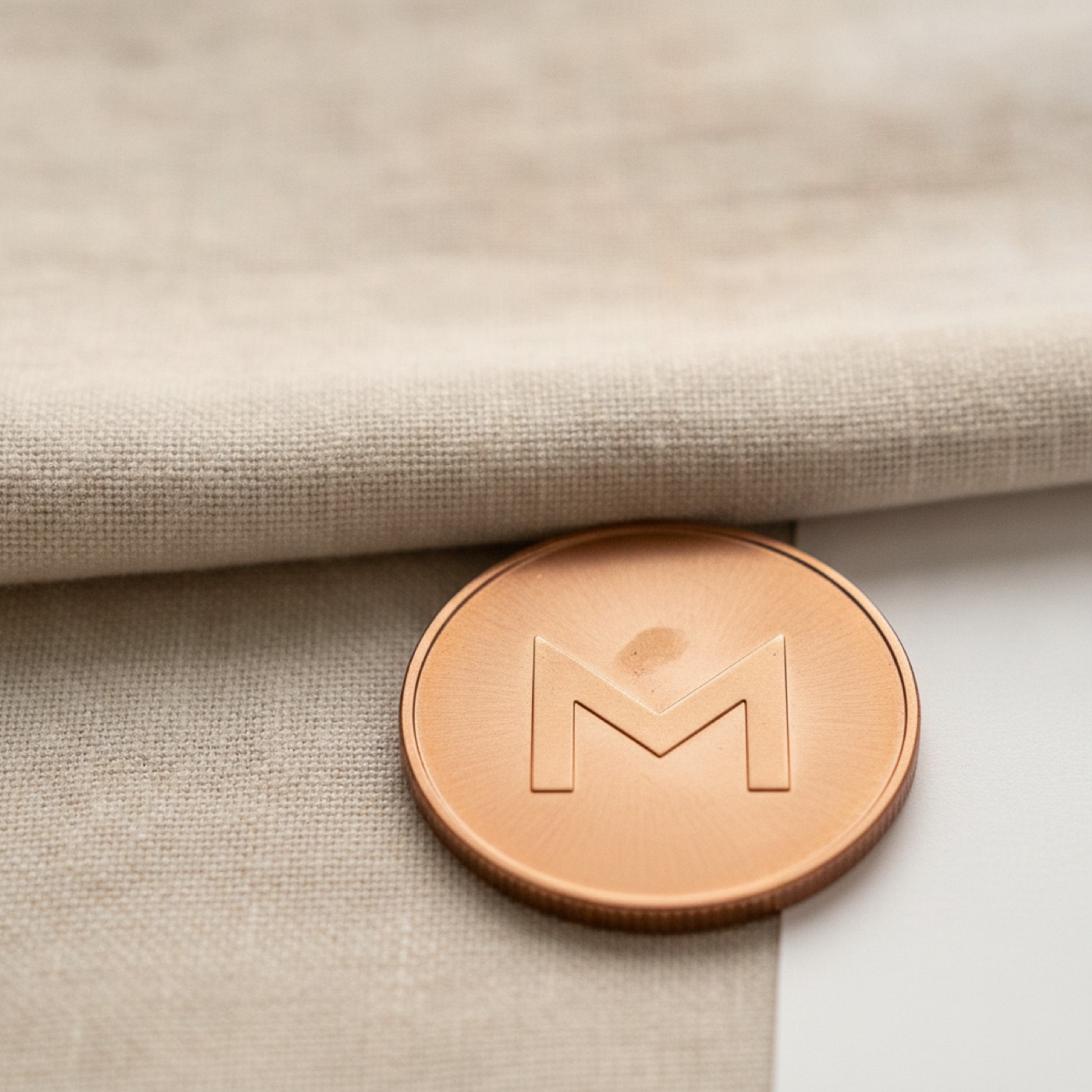
A single Monero coin resting on a fold of pale linen cloth
Nothing about this half of the trade shows up in a public balance lookup.

Cost, and how long it takes

Three separate costs decide what actually reaches you, and none of them is a single number you can memorise.

A usdt to xmr swap carries the fee of the chain you send on, the fee of the chain that pays you out, and the service spread that's already folded into the rate you're quoted. That last one never appears as a line item, which is why comparing quoted amounts beats comparing advertised fees.

On TRON you don't pay a fee the way you'd expect. Bandwidth and energy cover it, and freezing TRX gets you those resources without reaching for a balance each time. On Ethereum you pay gas, priced in gwei, and it rises and falls with how busy the chain is. Solana's fees stay very low.

Timing follows the same split. TRON blocks land every few seconds. Ethereum runs on twelve-second slots, and full finality takes two epochs — somewhere near thirteen minutes. Then the Monero side adds its own two-minute blocks plus the ten-block lock once the payout arrives. Most of the wait is confirmations, not the conversion itself.

Questions people actually ask

Short answers. Nothing here depends on the amount you're moving.

Does the network I pick change the usdt to xmr rate?

No. USDT is the same asset whichever chain it sits on, so the price is identical across TRC-20, ERC-20 and Solana. The chain changes which deposit address you're given and what the chain itself charges you to send. The rate stays put.

Which USDT network should I use?

Whichever one already holds your balance. Moving Tether between chains just to use a cheaper one means an extra transfer and an extra chance to get it wrong. If you're funding a wallet from scratch and genuinely free to choose, TRON and Solana both keep sending cheap.

What happens if I send on the wrong chain?

The tokens arrive at that address on a chain nobody is monitoring. Sometimes an operator can recover them and sometimes the address doesn't exist in a usable form on that chain at all. Treat it as lost and check the label before you send instead.

Do I need an account to swap usdt to xmr?

No. The whole thing runs as two ordinary on-chain transactions: you send Tether from your own wallet, and Monero arrives at the address you named. There's nothing to register and nothing to top up first.

How long does a tether to monero swap take?

Most of the clock is confirmations on both sides. Your deposit needs to confirm on whichever chain you used, then the payout goes out and settles into Monero's two-minute blocks. It's usually a matter of minutes rather than hours, and a congested Ethereum is the common reason it stretches.

Why can't I spend the XMR the moment it arrives?

Every output you receive is locked for ten blocks, roughly twenty minutes, before it becomes spendable again. It's baked into the protocol. Your wallet may well show the amount before it shows it as available, which looks alarming and isn't.

Can I check my Monero balance in a block explorer?

You can't, and that's working as intended. Amounts and recipients aren't readable on the chain, so an explorer has no balance to display for an address. Open your wallet instead.

Should I take the fixed rate or the floating one?

Fixed locks your number immediately and costs more for the privilege. Floating keeps adjusting to the market while the deposit confirms, so you might end up slightly ahead or slightly behind. If a small move would bother you, pay for fixed.

Can I convert usdt to xmr now and reverse it later?

Yes, and the reverse trip has its own page here. Going back means picking the chain for the Tether you want to receive, which is a heavier decision than picking the one you're sending from — there's nothing sitting in your wallet to check against.

Is the USDT I'm sending the same thing as a dollar?

It's pegged to the US dollar, but it's a token issued by a company rather than the currency itself. Worth holding that distinction in mind whichever chain you keep it on.
Set the chain, then start the usdt to xmr swap

No sign-up, no deposit sitting on someone's books. Your wallet sends, your wallet receives.

Start the swap